
Benefits of Using Agricultural Bagger Systems Explained
- ekkostrategies
- 6 days ago
- 5 min read
Agricultural bagger systems have become a vital component in modern farming practices. These systems not only enhance the efficiency of grain storage but also improve the overall quality of the harvested products. In this blog post, we will explore the numerous benefits of using agricultural bagger systems, how they work, and why they are essential for farmers today.
What is an Agricultural Bagger System?
An agricultural bagger system is a machine designed to store and preserve various agricultural products, primarily grains, in large plastic bags. These bags are airtight, which helps in maintaining the quality of the stored products by preventing spoilage and pest infestations. The bagging process is relatively straightforward, involving the filling of the bags with harvested grains, sealing them, and storing them in a designated area.
Key Benefits of Agricultural Bagger Systems
Enhanced Storage Capacity
One of the primary advantages of using agricultural bagger systems is the enhanced storage capacity they offer. Traditional storage methods, such as silos, can be limited by space and require significant investment. In contrast, bagging systems allow farmers to store large quantities of grain in a compact area. This flexibility is particularly beneficial during bumper harvests when storage needs can exceed available silo space.
Improved Grain Quality
Maintaining the quality of harvested grains is crucial for farmers. Agricultural bagger systems provide an airtight environment that protects grains from moisture, pests, and spoilage. This preservation method ensures that the grains remain fresh and retain their nutritional value for extended periods. For instance, studies have shown that grains stored in bags can maintain their quality for up to two years, compared to only a few months in traditional storage methods.
Cost-Effective Solution
Investing in agricultural bagger systems can be a cost-effective solution for farmers. The initial investment in bagging equipment is often lower than that of constructing new silos or upgrading existing storage facilities. Additionally, the reduced risk of spoilage and pest damage can lead to significant savings in the long run. Farmers can also avoid the costs associated with transporting grains to distant storage facilities, as bagging allows for on-site storage.
Flexibility and Mobility
Agricultural bagger systems are designed to be flexible and mobile. Farmers can easily transport the bagging equipment to different fields as needed, allowing them to bag grains immediately after harvest. This mobility ensures that grains are stored promptly, reducing the risk of spoilage due to delays in storage. Furthermore, the bags can be placed in various locations, making it easier for farmers to manage their storage needs based on available space.
Environmental Benefits
Using agricultural bagger systems can also have positive environmental impacts. The airtight bags help reduce the need for chemical preservatives, which can be harmful to the environment. Additionally, by minimizing spoilage and waste, farmers can contribute to more sustainable agricultural practices. This approach aligns with the growing demand for environmentally friendly farming methods.
Simplified Handling and Management
Bagger systems simplify the handling and management of stored grains. The bags are lightweight and easy to move, allowing farmers to manage their inventory more efficiently. This ease of handling can lead to reduced labor costs and improved productivity. Moreover, the clear visibility of the bags makes it easier for farmers to monitor their stored products and assess their condition.
Versatility in Storage
Agricultural bagger systems are versatile and can accommodate various types of grains and feed products. Whether it's corn, wheat, soybeans, or silage, these systems can handle a wide range of agricultural products. This versatility makes them an ideal choice for farmers who grow multiple crops or those who need to store different types of feed for livestock.
Reduced Labor Requirements
With advancements in technology, modern agricultural bagger systems often come equipped with automated features that reduce the need for manual labor. This automation can significantly decrease the time and effort required for bagging and storing grains. As a result, farmers can allocate their labor resources more effectively, focusing on other essential tasks within their operations.
Increased Profitability
Ultimately, the combination of improved grain quality, reduced spoilage, and cost-effective storage solutions can lead to increased profitability for farmers. By maximizing the value of their harvested products and minimizing losses, farmers can enhance their bottom line. This financial benefit is crucial for sustaining agricultural operations, especially in a competitive market.
How Agricultural Bagger Systems Work
Understanding how agricultural bagger systems operate can provide insight into their effectiveness. The process typically involves the following steps:
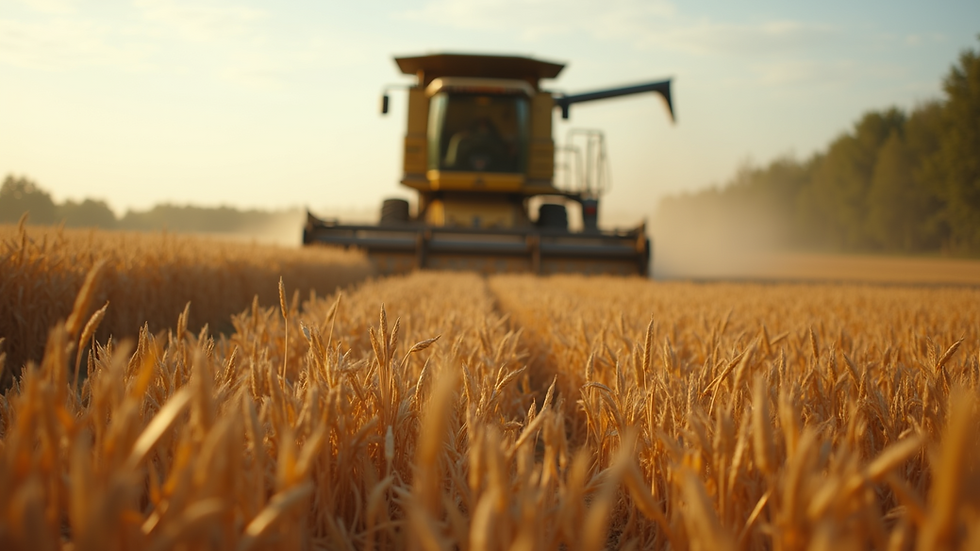
Harvesting: Grains are harvested from the fields using combines or other harvesting equipment.
Transporting: The harvested grains are transported to the bagging site, often located near the fields.
Bagging: The bagger system fills large plastic bags with the grains. The bags are sealed to create an airtight environment.
Storing: The filled bags are stored in a designated area, either on the farm or in a nearby location.
Choosing the Right Bagger System
When selecting an agricultural bagger system, farmers should consider several factors:
Capacity: Determine the volume of grains that need to be stored and choose a system that can accommodate that capacity.
Mobility: Look for systems that are easy to transport and set up in different locations.
Features: Consider automated features that can simplify the bagging process and reduce labor requirements.
Durability: Ensure that the materials used in the bagger system are durable and can withstand outdoor conditions.
Case Studies: Success Stories with Agricultural Bagger Systems
Case Study 1: A Corn Farmer's Experience
A corn farmer in the Midwest implemented an agricultural bagger system to address storage challenges during peak harvest season. Previously, the farmer struggled with limited silo space, leading to spoilage and financial losses. After investing in a bagging system, the farmer was able to store over 50% more corn than before. The airtight bags preserved the quality of the corn, allowing the farmer to sell it at a higher price months later.
Case Study 2: A Dairy Farm's Feed Management
A dairy farm faced difficulties in managing feed for its livestock. The farm owner decided to use an agricultural bagger system to store silage. The result was a significant reduction in feed waste and improved quality of the silage. The farm reported a 20% increase in milk production, attributing the success to the high-quality feed stored in the bags.
Conclusion
Agricultural bagger systems offer numerous benefits that can significantly enhance the efficiency and profitability of farming operations. From improved storage capacity and grain quality to cost-effectiveness and environmental advantages, these systems are essential tools for modern farmers. By investing in agricultural bagger systems, farmers can not only protect their harvests but also position themselves for success in an ever-evolving agricultural landscape.
As you consider the future of your farming practices, think about how an agricultural bagger system could transform your operations. Explore your options and take the next step toward more efficient and sustainable farming.


Comments